Our Experience

MCC Economics delivers independent, evidence-based analysis across economics, finance, and regulation. With experience spanning energy, water, infrastructure, and public policy, the firm supports transparent and effective decision-making. Clients across the UK, Europe, and the Middle East benefit from rigorous analysis, financial modelling, and clear policy insight.

Filter by:
Clear
Thank you! Your submission has been received!
Oops! Something went wrong while submitting the form.

Publications

MCC Economics publishes independent analysis and commentary on issues at the intersection of economics, finance, and regulation. Our publications draw on experience from projects across energy, water, infrastructure, and public policy - providing evidence-based insights that support transparent, accountable, and effective decision-making.

The UKIB: A New Force for Economic Growth?

Explore how the UK Infrastructure Bank is shaping the UK’s green and economic transformation. This article reviews UKIB’s mandate, funding capacity, early investments, and risks, and assesses its potential to drive long-term, sustainable infrastructure growth.

This article provides an overview and early assessment of the UK Infrastructure Bank (UKIB) following its establishment in 2021. It explores the Bank’s strategic objectives, funding capacity, sectoral priorities, and early deal activity across clean energy, digital infrastructure, transport, and water. The article also considers the pricing and risk characteristics of UKIB finance, its role in crowding-in private investment, and the challenges it faces in balancing public policy objectives with commercial discipline. Together, these insights offer a timely perspective on whether UKIB can fulfil its ambition to support net-zero delivery and drive long-term economic growth in the UK.

This article examines the UK Infrastructure Bank’s emerging role in supporting infrastructure investment and the transition to net zero. It reviews the Bank’s mandate, funding capacity, early deal activity, and sectoral focus, and considers the risks it faces as it seeks to mobilise private capital and contribute to long-term economic growth in the UK.

About

Abstract

Economic Analysis
2023

Explanation

The UK Infrastructure Bank (UKIB), is a relatively new addition to the ranks of eminent institutions established in the country to accelerate investment in the UK’s infrastructure. Set up in 2021, the Bank’s mandate is to support the transition to net-zero carbon emissions by 2050.

Since its inception, the Bank has funded 18+ deals across various infrastructure sectors such as clean energy, digital, transport, waste, and water. The bank has a focus on green infrastructure projects and is consistently attracting private-sector investment both at home and from overseas investors to the country’s infrastructure projects.

War-chest?

UKIB has an investment-war-chest of £22 billion, as follows: £7 billion of debt; £5 billion of equity; and £10 billion for guarantees. UKIB’s money is available to private sector corporations, investment funds and local authorities.

No alt text provided for this image
Figure: UKIB's Financial Capacity

Cheap-money?

Not only has UKIB a huge investment war-chest at its disposal for corporate and project finance: the money is cheap. UKIB’s accounts for the year ending March 2022, suggests an average interest rate close to 1% for the fortunate counterparties - although that may be misleadingly low as the reported values will reflect partial-year-loans. However, we noted the following cheap-money-infrastructure-deal examples by UKIB:

UKIB’s priorities?

No alt text provided for this image
Figure: UKIB's Priority sectors

Until recently, the Bank has made ~£2 billion in total commitments since inception and few large deals have already been closed:

No alt text provided for this image
Figure: Split of UKIB's committed capital

The Bank has already announced a total of 7 commitments in the clean energy sector, potentially investing over £800m in the sector. Fibre broadband infrastructure in the UK is also expected to benefit immensely from a total commitment of £775m by the Bank, across 6 deals in the digital sector.

Is the Bank immune to risks?

UKIB faces several key investment risks such as regulatory risks, market risks, and credit risks. However, it is well-equipped to manage these risks and ensure compliance with international obligations on subsidy control and future domestic regimes.

The UK Infrastructure Bank presents an opportunity for the country to leverage its resources to mobilise investment. The Bank is already providing expertise and capacity to local governments and help them realize their infrastructure plans. The Bank is also expected to help build back better, fairer, and greener by supporting the transition to net-zero carbon emissions by 2050.

In conclusion, the UK Investment Bank is a new institution with the potential to play a major role in the UK economy. The bank has made some early progress in making funding deals, but it remains to be seen how successful it will be in achieving its mandate. The future of the bank will depend on a number of factors, but it has the potential to be a major force for economic growth in the UK.

A Report for the Climate Change Committee: Summarising the Call for Evidence Responses for Offsets

Explore MCC Economics’ evidence to the UK Climate Change Committee on strengthening the integrity and governance of carbon offsetting.

This report presents MCC Economics's evidence submission to the UK Climate Change Committee (CCC) on the role of carbon offsetting within national decarbonisation pathways. Drawing on our experience in regulatory economics and market design, the report evaluates the effectiveness, credibility, and governance of offsetting mechanisms in supporting net zero delivery. It considers both voluntary and compliance markets, highlighting the risks of overreliance on offsets and proposing frameworks to ensure integrity, transparency, and additionality in emission reduction claims.

The Climate Change Committee launched a call for evidence to assess the contribution of carbon offsetting to the UK’s net zero strategy. MCC Economics’ submission responds with a critical economic assessment of current offsetting practices, identifying where market and policy interventions can improve outcomes. The report outlines key challenges in monitoring, verification, and permanence of offsets; economic incentives that drive offset demand and supply; principles for integrating offsetting within credible transition plans; and recommendations for regulatory consistency, data disclosure, and international coordination. Our evidence supports a balanced approach that recognises offsetting’s potential while reinforcing the primacy of direct emission reductions.

About

Abstract

Financial Modelling
2022
PJ McCloskey
Government Administration

The approach for Abu Dhabi’s solar energy: Centralised or Decentralised

Explore our latest paper which examines Abu Dhabi’s solar approach—centralised utility-scale vs. distributed rooftop generation. Finds rooftop PV still uneconomical for heavily subsidised user groups but cost-effective for industry and commerce, suggesting subsidy reforms to unlock distributed solar for 2050 climate goals.

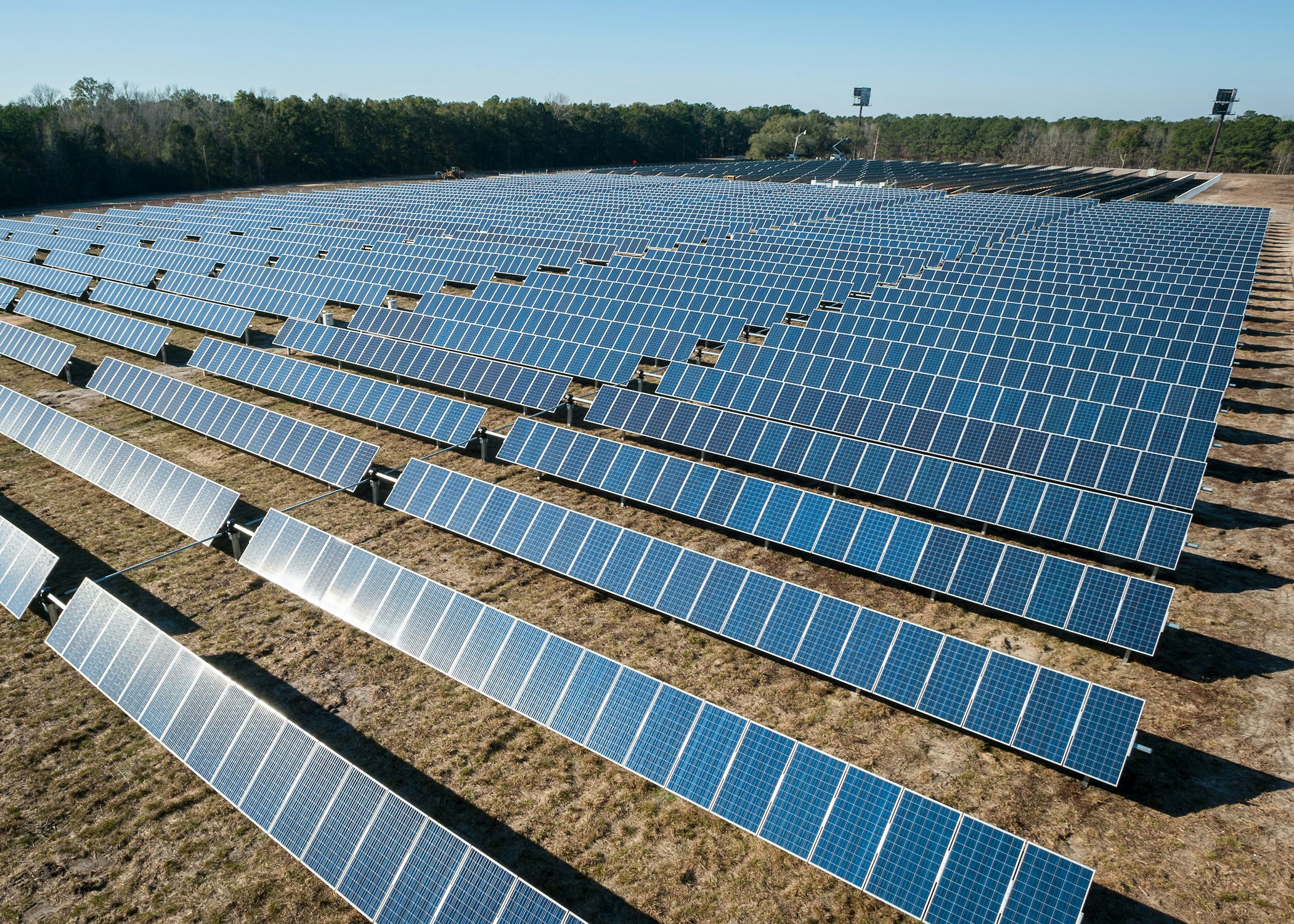
Abu Dhabi faces a strategic choice in scaling up solar energy: centralised mega-projects or decentralsed rooftop systems. This paper by our Director PJ McCloskey and analyst Rodrigo Remor analyses why distributed solar uptake remains low in Abu Dhabi and evaluates its economic viability under current conditions. Abu Dhabi has so far favored large solar parks (e.g. the 1.17 GW Noor Abu Dhabi plant) while rooftop solar adoption is minimal (~2.94 MW on government buildings by 2020, <1% of Noor’s capacity). Given the UAE’s net-zero commitment and Energy Strategy 2050 targets (44% renewable electricity by 2050), the study explores whether decentralised solar could play a larger role and what policy shifts might be required.

This paper evaluates the economic viability of decentralised solar systems in Abu Dhabi. By analysing levelised cost of electricity (LCOE), net present value (NPV), and internal rate of return (IRR) across customer groups, it finds that while rooftop solar generation is not yet cost-effective for heavily subsidised sectors, it remains viable for industrial and commercial users. The study suggests that subsidy reform could significantly improve the financial appeal of decentralised systems, aligning with Abu Dhabi’s decarbonisation targets under the UAE Energy Strategy 2050.

About

Abstract

Economic Analysis
2022
Rodrigo Malheiros Remor
Energy

The approach for Abu Dhabi’s solar energy:  Centralised or Decentralised

Explore our latest paper which examines Abu Dhabi’s solar approach - centralised utility-scale vs. distributed rooftop generation. Finds rooftop PV still uneconomical for heavily subsidised user groups but cost-effective for industry and commerce, suggesting subsidy reforms to unlock distributed solar for 2050 climate goals.

PR24 WACC Review from MCC for CCW

MCC Economics presents a comprehensive analysis of Ofwat’s PR24 final WACC determination, revealing how late-stage decisions may have shifted financial risk to customers.

MCC Economics, on behalf of the Consumer Council for Water (CCW), has reviewed Ofwat’s PR24 final WACC determination to assess whether it fairly balances customer and investor interests. The report questions Ofwat’s decision to include costs stemming from companies with high financial gearing, arguing this may shift undue risk to customers. By applying a market-based, notional-efficient approach, MCC finds the WACC could have been set 1.08% lower — potentially saving customers £5.4 billion, or £41 per household, over five years. The review also highlights how new risk-reduction mechanisms in PR24 could justify a lower return, offering critical insight for both policymakers and the Competition and Markets Authority.

MCC Economics was commissioned by the Consumer Council for Water (CCW) to review Ofwat’s PR24 final WACC determination. The report examines whether Ofwat’s approach appropriately balances customer interests against investor requirements. It identifies potential upward bias in key components — including the cost of equity and debt — largely influenced by financial behaviours of highly geared companies. MCC proposes a market-led recalibration of the WACC that aligns with the notional efficient company and regulatory best practice. This would reduce the WACC by 1.08%, potentially saving customers £5.4 billion over five years. The report also assesses risk protection measures introduced in PR24 and offers recommendations for future regulatory frameworks and CMA deliberations.

About

Abstract

Regulatory Economics
2023
Warwick Anderson
Utilities

Excellence in Consumer Engagement

This publication outlines 10 fundamental principles for effective engagement, exploring how businesses and regulators can foster trust, enhance decision-making, and create mutually beneficial outcomes.

Regulatory frameworks are evolving to place consumers at the heart of decision-making. "Excellence in Consumer Engagement: 10 Fundamentals" explores the shift from traditional regulatory processes—where decisions were imposed on consumers—to a model where consumers actively influence outcomes. The paper identifies 10 key principles that drive successful engagement, including the importance of social license, leadership commitment, and setting the right incentives. Through case studies and real-world examples, it highlights both the risks of poor engagement and the benefits of genuine collaboration. This guide serves as a resource for regulators, businesses, and policymakers looking to enhance consumer participation in regulatory decision-making.

The landscape of consumer engagement in regulation has undergone a significant transformation, moving from a model where consumers had little influence to one where they play a central role in shaping decisions. This paper presents 10 fundamental principles that underpin effective consumer engagement, including commitment from leadership, social license, and consumer empowerment. It examines both successful and failed approaches to engagement, drawing lessons from key case studies such as the Powerlink Queensland electricity transmission decision and Australia’s banking and energy sector reforms. The study also explores the regulatory incentives that encourage engagement, from reputational benefits to financial rewards. By implementing these principles, businesses and regulators can foster trust, improve regulatory outcomes, and create a more balanced and consumer-centric decision-making process.

About

Abstract

Regulatory Economics
2021
Warwick Anderson
Utilities

Case Studies

MCC Economics works with governments, regulators, and organisations across the UK, Europe, and the Middle East.Our case studies highlight how rigorous analysis, financial modelling, and policy insight have supported clients in making transparent, defensible, and effective decisions. Each project reflects our commitment to clarity, independence, and analytical precision.

Filter by:
Clear
Thank you! Your submission has been received!
Oops! Something went wrong while submitting the form.

Australian Energy Regulator (AER) Case Study

See how we supported the Australian Energy Regulator (AER) in shaping the 2022 Rate of Return Instrument for electricity and gas networks.

Regulatory Economics
2019
Warwick Anderson
Oil & Gas

See how we supported the Australian Energy Regulator (AER) in shaping the 2022 Rate of Return Instrument for electricity and gas networks. Through expert WACC cross checks and comprehensive financeability assessments, our work played a pivotal role in delivering robust, defensible decisions for Australia’s energy sector.

The Australian Energy Regulator (AER) required expert guidance to ensure the robustness and defensibility of its 2022 Rate of Return Instrument, a critical framework for determining returns for electricity and gas networks. They needed in-depth analysis to validate key financial metrics, such as WACC and financeability assessments, and to address stakeholder critiques effectively. The AER sought support to navigate complex regulatory requirements, ensuring decisions were analytically sound, transparent, and aligned with industry expectations.

MCC Economics advised the Australian Energy Regulator (AER) with the development of their Rate of Return Instrument for 2022, which covers electricity and gas distribution and transmission across Australia.​ Our role was primarily in advising the regulator on rate of return considerations, providing analysis and commentary on the impact of varying macroeconomic conditions and parameters of the rate of return instrument.​

We used the AER’s inflation model to understand the impact of high inflation on the price-control and provided a scenario model to demonstrate to AER’s stakeholders the impact of varying parameters of the rate of return instrument (beta, term, MRP, RFR).​ We led the use of crosschecks for the rate of return, with much of this analysis being included in chapters authored by the MCC team in the Draft Decision and Final Decision.​ We also analysed stakeholder responses during the early stages of engagement with service providers, focussed on these areas of interest.​

What they Needed

Ofgem Price Controls

Discover how we partnered with Ofgem to navigate complex regulatory challenges, ensuring fair and robust price control mechanisms for electricity and gas networks.

Data Science
2018
PJ McCloskey
Aviation

Explore our Ofgem case study to see how MCC provided strategic expertise across multiple projects, from designing risk and return arrangements to leading finance policy and analysis for price controls. Discover how our work ensured transparency, accountability, and robust financial frameworks for the Electricity System Operator (ESO).

Ofgem required expert support in tackling complex regulatory and financial challenges associated with the Electricity System Operator (ESO). Specifically, the client needed the development of price controls. comprehensive guidance on key financial parameters for RIIO-2, risk and return arrangements, and performance metrics design. With these requirements, Ofgem sought a partner with a deep understanding of financial modeling, regulatory frameworks, and stakeholder engagement to drive impactful results.

MCC, led by PJ McCloskey, delivered exceptional support to Ofgem on a range of critical projects:

  1. Policy Leadership for Price Controls:
    • Led policy and analysis for RIIO-2, building a financeability model, engaging with rating agencies, and evaluating the implications of inflation approaches.
    • Drafted the finance chapters for Ofgem’s 2021 and 2023 Final Determinations, covering debt and equity financing, WACC allowances, working capital facilities, and capitalisation rates.
  2. Design of Risk and Return Arrangements:
    • Contributed to the development of the ESO Reporting and Incentives (ESORI) Arrangements, ensuring the ESO’s performance was transparent and accountable to stakeholders.
    • Developed evaluation criteria focusing on balancing costs, demand forecasting, the phase-out of non-competitive balancing services, and day-ahead procurement.
  3. Performance Evaluation Frameworks:
    • Designed metrics and methodologies for assessing the ESO’s performance, considering plan delivery, metric outcomes, stakeholder input, and overall value for money.
    • Provided insights to support Ofgem in holding the ESO accountable for its objectives while delivering efficient services.

Through these projects, MCC played a pivotal role in strengthening Ofgem’s financial and regulatory frameworks, enhancing the ESO’s accountability, and ensuring effective delivery of its responsibilities.

What the Client Needed?